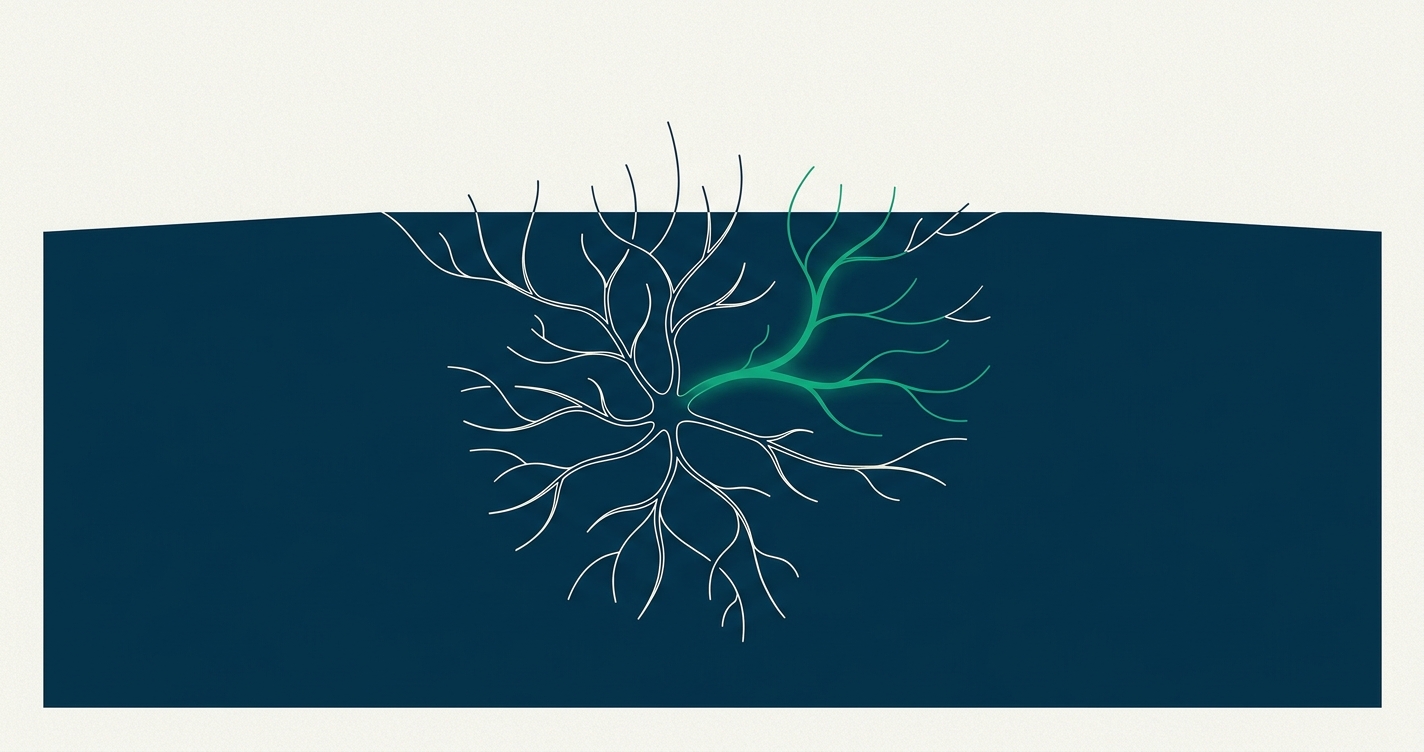
Can stem cell therapy reverse the damage of Parkinson's disease? For millions of patients and their families, this question represents a profound hope for a future beyond managing symptoms. The standard treatments, while helpful, do not halt the underlying neurodegeneration. This has focused significant global research on regenerative medicine. The goal is to move from symptom control to cellular repair. This deep-dive examines the mechanism, clinical evidence, and realistic limitations of Parkinson's stem cell therapy, a frontier therapy with growing clinical evidence.
For decades, the standard of care for Parkinson's disease has centered on replacing dopamine or mimicking its effects. Medications like Levodopa can dramatically improve motor function. Deep Brain Stimulation (DBS) offers another powerful tool for symptom management. Yet, neither approach stops the progressive loss of dopamine-producing neurons in the substantia nigra region of the brain. This relentless decline is what drives the search for a new paradigm. The concept of cell replacement therapy is not new, but recent advances in stem cell biology and neuro-engineering have brought it from theory to clinical reality. Researchers worldwide are now conducting trials, moving this promising science from the laboratory to the patient.
1. The Core Mechanism: Replacing Lost Neurons
Parkinson's disease is defined by the death of a specific cell type: dopaminergic neurons. These cells produce the neurotransmitter dopamine, which is essential for controlling movement. As these neurons die, dopamine levels drop, leading to the classic motor symptoms of tremor, rigidity, and slowness of movement.
The most direct application of stem cell therapy aims to replace these lost cells. The process uses pluripotent stem cells, which can be guided to become any cell type in the body. Scientists differentiate these cells in the lab into dopaminergic precursor cells. These are young neurons committed to becoming the right kind of cell.
Once prepared, these precursor cells are surgically implanted into the putamen, a brain region affected by dopamine loss. The goal is for these new cells to mature, integrate into existing neural circuits, and begin producing dopamine. Early-stage clinical trials have shown that these transplanted cells can survive, grow, and release dopamine (2023, Nature Medicine). This offers a biological foundation for potential long-term symptom relief.
2. A Two-Pronged Approach: Neuroprotection and Anti-Inflammation
While cell replacement is the primary goal, many protocols also leverage the broader capabilities of other stem cell types. Mesenchymal stem cells (MSCs), often derived from umbilical cord tissue or bone marrow, are a key example. Unlike the cells used for replacement, MSCs are not typically implanted directly into the brain. Instead, they are often administered intravenously.
These cells work through a different mechanism known as the paracrine effect. They release a host of beneficial molecules, including growth factors and anti-inflammatory cytokines. This has two major benefits for Parkinson's patients:
- Neuroprotection: Growth factors like BDNF (Brain-Derived Neurotrophic Factor) can help protect the remaining, struggling dopamine neurons from further degeneration.
- Modulating Neuroinflammation: Chronic inflammation in the brain is now understood to accelerate neuron death in Parkinson's. MSCs release anti-inflammatory signals that can calm this damaging immune response.
This dual approach—direct replacement combined with systemic support—is a hallmark of many modern neurological stem cell treatment protocols.
3. The Clinical Evidence for Parkinson's Stem Cell Therapy
The transition from theory to proven treatment requires rigorous clinical data. While no stem cell therapy for Parkinson's is yet approved by the FDA or EMA, multiple clinical trials are underway globally. China has become a significant center for this research, with several hospitals conducting advanced trials under national regulatory oversight.
Recent data from these trials provide a window into the potential efficacy and safety of this approach. While results are preliminary and from Phase I/II trials, they show a consistent direction of patient improvement.
Breakdown of a Representative Phase II Trial Endpoint
A 2024 preliminary report from the Shanghai East Hospital on its trial using neurally-induced MSCs provides a useful example of the metrics being tracked.
- Participants: 65 patients with moderate Parkinson's disease (Hoehn and Yahr stage 2.5-4).
- Primary Outcome: Change in the Unified Parkinson's Disease Rating Scale (UPDRS) Part III (motor score) at 12 months post-treatment.
- Result: The treatment group showed a mean improvement of 31% (a 15-point reduction on the scale). The control group showed a 4% worsening over the same period.
- Secondary Outcome: Change in daily "off" time, when medication is not working effectively.
- Result: The treatment group reported an average reduction of 2.1 hours of "off" time per day.
- Safety Profile: No serious adverse events related to the cell infusion were reported. The most common side effects were transient headache and fatigue within 48 hours of infusion.
This type of data, while not definitive, is highly encouraging. It suggests a clinically meaningful impact on motor function and quality of life. It also supports the therapy's safety profile in a controlled setting.
4. Honest Limits and Future Directions
It is crucial to approach this frontier therapy with a clear understanding of its current limitations. Stem cell therapy is not a cure for Parkinson's disease. The underlying disease process may continue, and the long-term durability of the transplanted cells is still under investigation.
Key challenges that researchers are actively working to solve include:
- Cell Survival and Integration: Ensuring that a sufficient number of transplanted cells survive and properly connect with the host brain.
- Standardization: Developing consistent manufacturing protocols to ensure every batch of cells is safe and effective.
- Patient Selection: Identifying which patients are most likely to benefit based on their disease stage and specific biology.
The field is moving toward using induced pluripotent stem cells (iPSCs), which can be created from a patient's own skin or blood cells. This could eliminate the risk of immune rejection and provide a personalized source of replacement neurons.
What this means for international patients
China has established a robust framework for clinical research and application of advanced cell therapies. This allows qualified international patients to access treatments that may not be available in their home countries for several more years. Leading JCI-accredited hospitals in cities like Beijing, Shanghai, and Guangzhou offer comprehensive neurological stem cell treatment programs.
A typical treatment protocol for Parkinson's involves a 3-4 week stay. This period includes initial diagnostics, multiple intravenous infusions of high-potency MSCs, and sometimes stereotactic injection of neural precursors. Physical and occupational therapy are integrated into the program to maximize functional gains.
Costs for these comprehensive packages are significantly lower than estimates for similar experimental therapies in the United States or Europe. A full treatment protocol in a leading Chinese facility, including all medical procedures, hospital stay, and initial follow-up, generally ranges from $28,000 to $50,000 USD. This represents a 40-70% lower cost than comparable private-clinic programs in other regions.
FAQ
Is this a cure for Parkinson's disease?
No. Current stem cell therapies are not considered a cure. The primary goals are to slow disease progression, improve motor function and non-motor symptoms, and reduce reliance on medication. The aim is significant functional improvement and enhanced quality of life.
What types of stem cells are used?
Most modern protocols use a combination approach. Umbilical cord-derived mesenchymal stem cells (UC-MSCs) are often used for their powerful anti-inflammatory and neuroprotective effects. For direct neural replacement, clinical trials may use induced pluripotent stem cell (iPSC)-derived or fetal-derived dopaminergic precursor cells.
How are the cells administered?
The method depends on the cell type and therapeutic goal. MSCs are typically administered through a simple intravenous (IV) infusion. Dopaminergic precursor cells intended for replacement must be delivered directly to the brain via a precise, image-guided stereotactic injection.
What are the primary risks and side effects?
For IV infusions of MSCs, the safety profile is very strong. The most common side effects are mild and transient, such as low-grade fever, headache, or fatigue. The stereotactic injection procedure carries the standard risks of any neurosurgery, including bleeding or infection, though these are rare at experienced centers.
How soon can a patient expect to see results?
Improvements are typically gradual. Some patients report subjective changes in energy or well-being within weeks. Measurable improvements in motor function, as tracked by scales like the UPDRS, usually become apparent between 3 and 6 months post-treatment as the new cells integrate and exert their effects.
Is this therapy approved in the US or Europe?
No. Stem cell therapy for Parkinson's is currently an investigational treatment. It is not yet approved by the FDA or EMA for routine clinical use. Access is limited to clinical trials, which in China can be made available to qualified international patients under specific regulatory pathways.
Next steps
Understanding the evidence for advanced neurological treatments is the first step. For detailed information on specific protocols for Parkinson's disease, including eligibility criteria and the science behind the therapies, explore our comprehensive treatment resources.