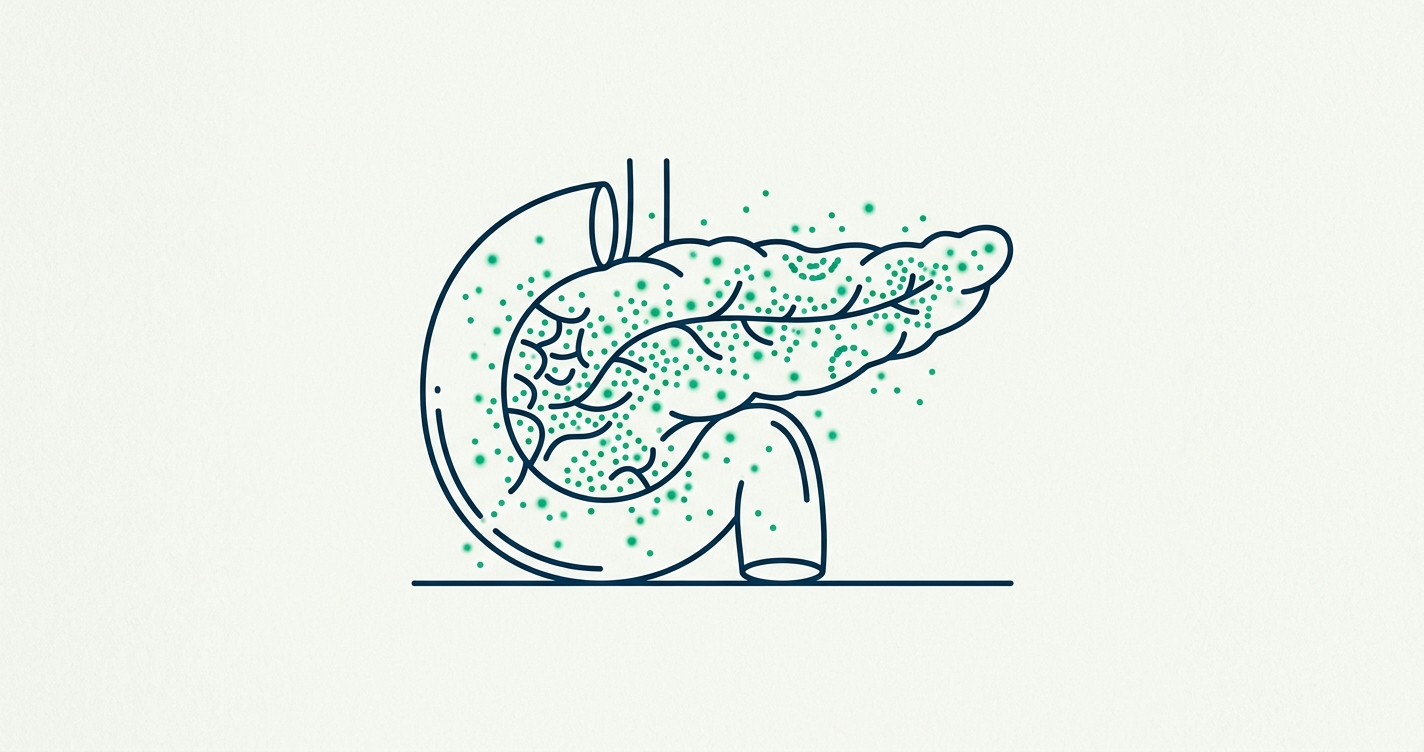
Diabetes Stem Cell Therapy: How Beta Cell Regeneration Works
Can the body be prompted to heal its own diabetic damage? This question lies at the heart of regenerative medicine. For millions managing diabetes with daily injections and medication, the standard of care is a lifelong regimen of control, not reversal. The prospect of a therapy that addresses the underlying cause—pancreatic beta cell dysfunction or destruction—is compelling. Frontier therapy with growing clinical evidence, specifically diabetes stem cell therapy, now offers a new biological approach. It focuses on modulating the immune system and fostering an environment for cellular repair.
Diabetes is a global health challenge. The International Diabetes Federation estimated that 537 million adults were living with diabetes in 2021. This number is projected to rise to 783 million by 2045. The disease is broadly categorized into Type 1, an autoimmune disorder that destroys insulin-producing beta cells, and Type 2, characterized by insulin resistance and progressive beta cell failure. Current treatments manage symptoms effectively but do not halt the disease's progression. This has fueled significant research into regenerative strategies, with mesenchymal stem cell (MSC) therapy emerging as a leading investigational field.
1. The Function of Mesenchymal Stem Cells in Diabetes
Mesenchymal stem cells are adult stem cells sourced from tissues like umbilical cords, bone marrow, or adipose tissue. They are not used to directly transform into new beta cells. Instead, their therapeutic power comes from two key properties.
First is their potent immunomodulatory capability. They can calm an overactive immune system. This is critical in Type 1 diabetes, where the body’s own T-cells attack and destroy beta cells. Second is their paracrine function. MSCs secrete a host of beneficial molecules, including growth factors and cytokines. These signals create a pro-regenerative environment, reducing inflammation and supporting the survival and function of existing cells.
2. Mechanism of action for beta-cell-regeneration
The application of MSCs differs based on the type of diabetes. The therapy targets the distinct pathology of each condition. For Type 1, the goal is to stop the autoimmune assault. For Type 2, the focus is on reducing the metabolic stress that leads to beta cell burnout. The mechanisms, while overlapping, have different primary objectives.
A comparison of these therapeutic approaches highlights their tailored nature.
| Feature | Type 1 Diabetes Application | Type 2 Diabetes Application |
|---|---|---|
| Primary Goal | Halt the autoimmune attack on beta cells. | Reduce insulin resistance and systemic inflammation. |
| Key MSC Action | Immunomodulation to suppress auto-reactive T-cells. | Anti-inflammatory effects and paracrine support. |
| Targeted Problem | Autoimmunity and beta cell destruction. | Insulin resistance and beta cell exhaustion. |
| Desired Outcome | Preserve remaining beta cells; reduce insulin needs. | Improve glycemic control; reduce medication reliance. |
In both cases, the therapy aims to improve the pancreas's microenvironment. This allows surviving beta cells to function more efficiently and may protect them from further damage.
3. Analyzing the Clinical Evidence: HbA1c Response
The most important metric for diabetes management is hemoglobin A1c (HbA1c). This value reflects average blood sugar levels over the past three months. A successful therapy must demonstrate a significant and sustained reduction in HbA1c. Multiple clinical studies have tracked this response following MSC infusions. The data show a consistent pattern of improvement, particularly within the first year.
Typical HbA1c Response After MSC Infusion
- Baseline: Patients entering trials often have poor glycemic control. Their baseline HbA1c levels typically range from 8.0% to 9.5% despite conventional treatment.
- 3–6 Months: A meta-analysis published in Stem Cell Research & Therapy (2021) found that patients receiving MSC therapy saw a statistically significant reduction in HbA1c levels. The average decrease was approximately 1.2 percentage points at the six-month mark.
- 12 Months: The therapeutic benefits often persist. Follow-up data from various Phase I and II trials show that many patients maintain improved glycemic control at one year. A key indicator of success is a reduction in the required daily insulin dose. Some studies report patients decreasing their insulin usage by 50% or more (Source: Diabetes Research and Clinical Practice, 2020).
- Biomarker Confirmation: Improvement is also measured by C-peptide levels. C-peptide is released along with insulin. An increase in C-peptide after therapy provides direct evidence that the patient's own beta cells are producing more insulin.
4. Patient Profiles and Response Predictors
Not all patients respond to diabetes stem cell therapy equally. Clinical data has helped identify profiles that are most likely to benefit. The key factors are often the duration of the disease and the amount of remaining pancreatic function.
For Type 1 diabetes, the ideal candidate is often a patient diagnosed within the last five years. These individuals are more likely to have a meaningful reserve of surviving beta cells. The presence of detectable C-peptide is a strong positive predictor. The therapy is most effective at preserving what is left, rather than regenerating a full beta cell population from scratch.
For Type 2 diabetes, patients with a shorter disease history also tend to respond better. Those who have developed insulin resistance but have not yet progressed to complete insulin dependence are strong candidates. The therapy helps reduce the inflammatory burden and metabolic stress on their still-functioning beta cells. Patients without severe, long-term complications such as advanced kidney or cardiovascular disease generally see better outcomes.
What this means for international patients
China is a major center for clinical research in regenerative medicine. This is supported by significant government investment and a clear regulatory framework for cell-based therapies. Leading university-affiliated and private hospitals in cities like Beijing, Shanghai, and Shenzhen have established advanced cell therapy centers. These facilities conduct clinical trials and offer protocols based on the latest research.
For international patients, this provides access to therapies that may not be available in their home countries. A typical treatment protocol for diabetes involves an initial comprehensive evaluation, which can often begin remotely. The therapy itself consists of several intravenous infusions of high-purity, umbilical cord-derived MSCs. This process is non-surgical and minimally invasive.
Patients typically stay in China for two to three weeks to complete the infusion schedule and initial follow-up monitoring. The cost for a comprehensive diabetes protocol generally ranges from $20,000 to $35,000 USD. This represents a 40–70% lower cost than projected prices for similar advanced therapies in the United States or Europe, should they gain regulatory approval. Patients can often be scheduled for treatment within four to six weeks of completing their medical review.
FAQ
Is stem cell therapy a cure for diabetes?
No. It is an investigational treatment designed to improve the body's own ability to control blood sugar. The goal is to reduce dependence on medication, lower HbA1c, and slow disease progression. It is not considered a cure.
What kind of stem cells are used?
The most common type used in leading clinics are mesenchymal stem cells derived from donated umbilical cord tissue (UC-MSCs). These cells are ethically sourced, highly potent, and have a very low risk of immune rejection.
Is the procedure painful?
The procedure is generally well-tolerated. The stem cells are administered through a standard intravenous (IV) line, similar to receiving fluids or other medications. Most patients report no pain or discomfort.
How long do the effects of the therapy last?
Current clinical data suggests that the metabolic and immunomodulatory benefits can last from one to three years. The duration varies significantly between individuals. Some patients may elect to undergo repeat treatments to maintain or enhance the therapeutic effects.
What are the known risks or side effects?
Published clinical trials report a strong safety profile for MSC infusions. The most common side effects are mild and temporary, such as a low-grade fever, headache, or fatigue on the day of the infusion. Serious adverse events are rare.
Who is not a good candidate for this therapy?
Patients with active infections, a recent history of cancer, or severe, end-stage organ failure are typically not eligible for treatment. A thorough medical evaluation is required to determine candidacy for every patient.
Next steps
Understanding the science behind beta cell regeneration is the first step. To learn more about specific protocols, eligibility criteria, and the clinical evidence supporting diabetes stem cell therapy, please explore our detailed treatment information at /treatments.